
Dates, faith, fasting and powerful women: My first Iftar
A few days before the Leeds Women’s Day Iftar I voiced-noted two colleagues panicking. Their immediate response was to calm me down, mine was to hit Google.
I Googled things like, “what not to do at an Iftar,” “is it bad if I don’t eat a date?” (I hate dates), and “what on earth do I wear?” which probably tells you everything you need to know about my level of cultural preparation for this event.
After being asked to attend the Leeds Women’s Iftar, and after speaking to colleagues, I still wasn’t sure what to expect. I’ve not attended many Muslim events, the odd wedding reception perhaps, but nothing so closely linked to Ramadan itself.
I’m not so culturally blind though that I don’t understand Ramadan. I’ve watched colleagues fast during that time and witnessed the lengths families go to in order to make it special. In particular, I’ve seen the quiet organisation and care the women of those families put into making sure everything runs smoothly.
But maybe I am slightly culturally blind because I never really saw it. Not really.
I grew up with Lent. My childhood version of Lent was mainly being asked to give something up, which, like many children at the time, didn’t seem a particularly exciting idea. (Let’s be honest, being asked to give up chocolate or biscuits isn’t anyone’s idea of having a good time.)
What I didn’t really grasp then was the deeper meaning behind it. Like many traditions we grew up around, the purpose had become somewhat diluted for me somewhere along the line.
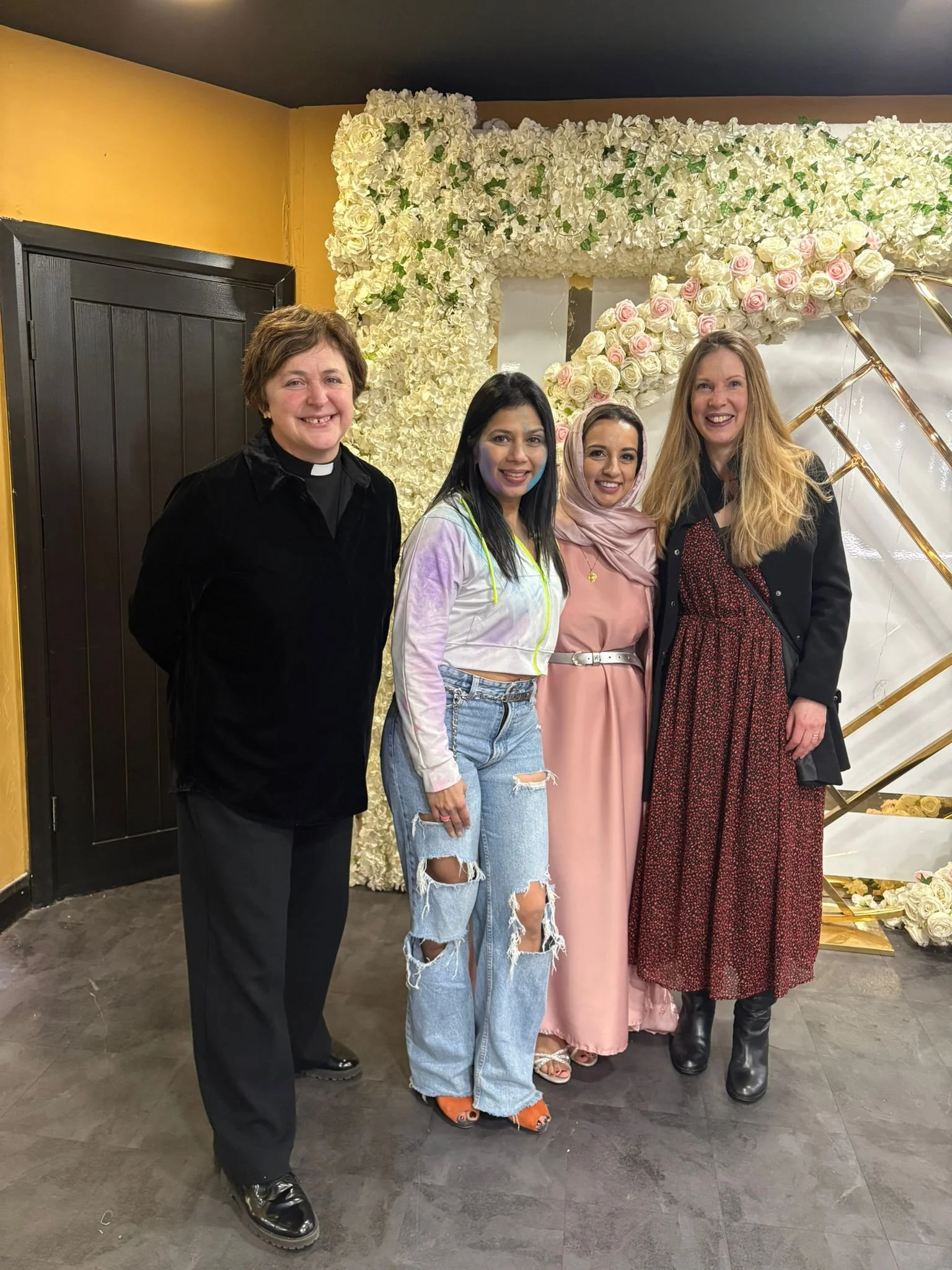
There’s a saying often shared during Ramadan, “When you fast, let your eyes fast, your tongue fast, your heart fast.” It’s about more than food, it’s about reflection, patience, kindness, and humility.
Whereas my childhood understanding of Lent was slightly closer to, “give up chocolate for 40 days and then absolutely demolish several Easter eggs in one sitting.”
It quite simply didn’t have the same meaning, where it should have, and spiritually speaking, there may have been room for some growth there.
Walking into the Empire Suite in an area of Leeds that is so culturally diverse, warm, and welcoming, I suddenly found myself wondering if I had ever properly understood what Lent, and equally Ramadan, actually really means.
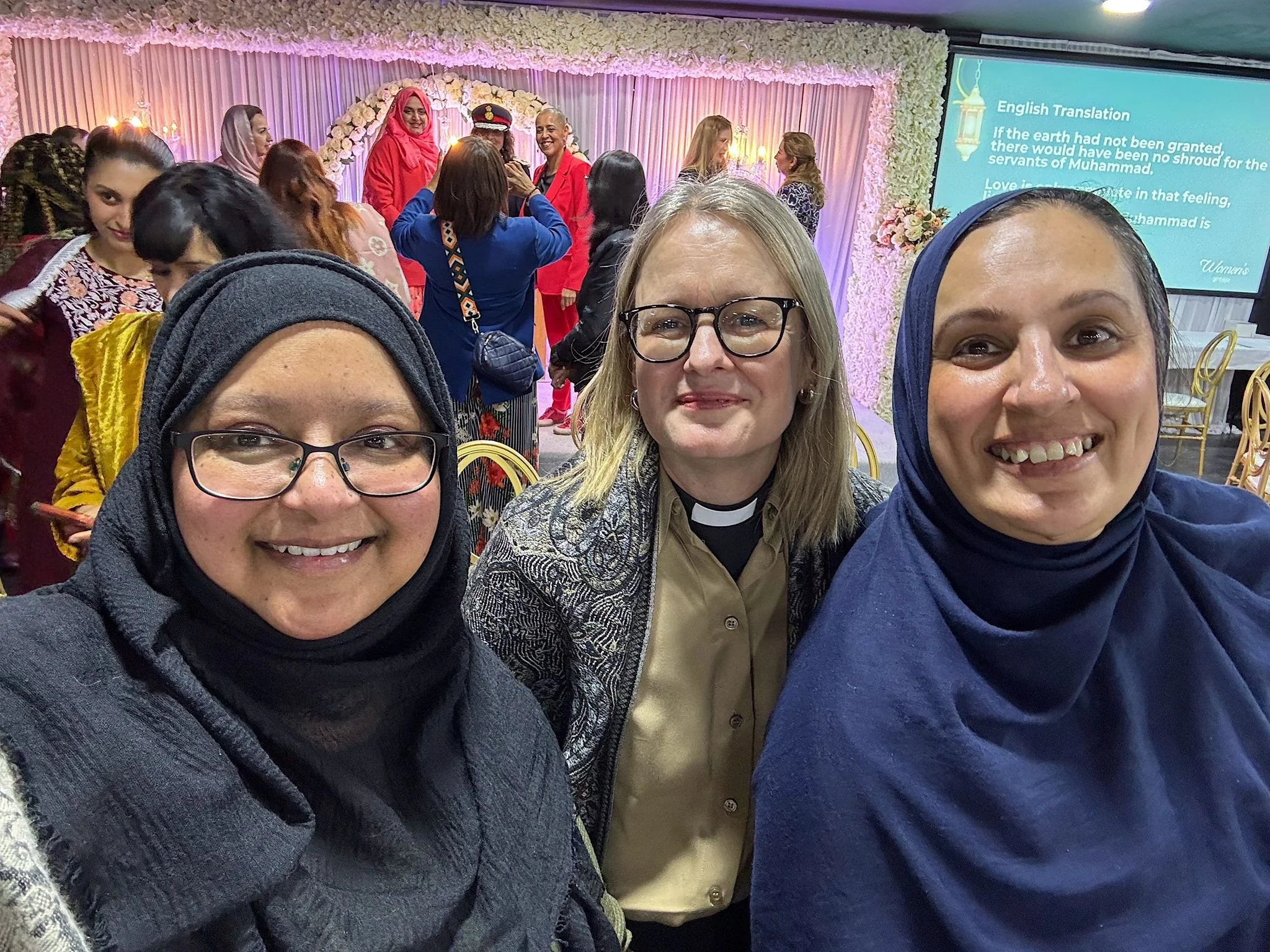
Ramadan, for Muslims, is a month of fasting from dawn until sunset. It’s a time focused on prayer, reflection, generosity, and community. As a child and even in early adulthood I focused on the food, how hungry and thirsty they must be fasting all day. Now I understand. Fasting is about more than just food. It’s about discipline, gratitude, patience, and thinking about those who have less. The fast is broken each evening at sunset with a glass of water and a date before people share a meal together.
Lent, for Christians, is also a period of reflection and preparation, the 40 days leading up to Easter. Historically it too involved fasting and creating space for prayer and charity. Today it often shows up as us giving up something: chocolate, social media, wine, or whatever personal vice you feel you could just about live without (it’s not forever, right?). But, at heart, both traditions ask the same question: “What happens when we pause, reflect, and think about others before ourselves?” (Sorry kids, it’s really not about those 20 Easter eggs you might get!).
Interestingly, it’s the first time, since the early 1990s that Ramadan and Lent have overlapped like this. That intersection creates a shared season of fasting, prayer, and charity. A moment when Christians and Muslims are, in their own ways, walking a similar path.
It felt particularly meaningful to experience that intersection at an all-women’s event on the eve of International Women’s Day.
International Women’s Day often talks about empowering women, amplifying voices, and building equality. But sometimes those ideas can feel big and out of reach in a sea of male leadership. But sitting in a room full of women who were quite literally building communities around event tables, through conversation and shared values, made those ideas feel achievable.
As I said, I wasn’t sure what to expect. But a room filled with intelligence, warmth, love, and an overwhelming sense of community pride was not on my bingo card for a Saturday night in early March.
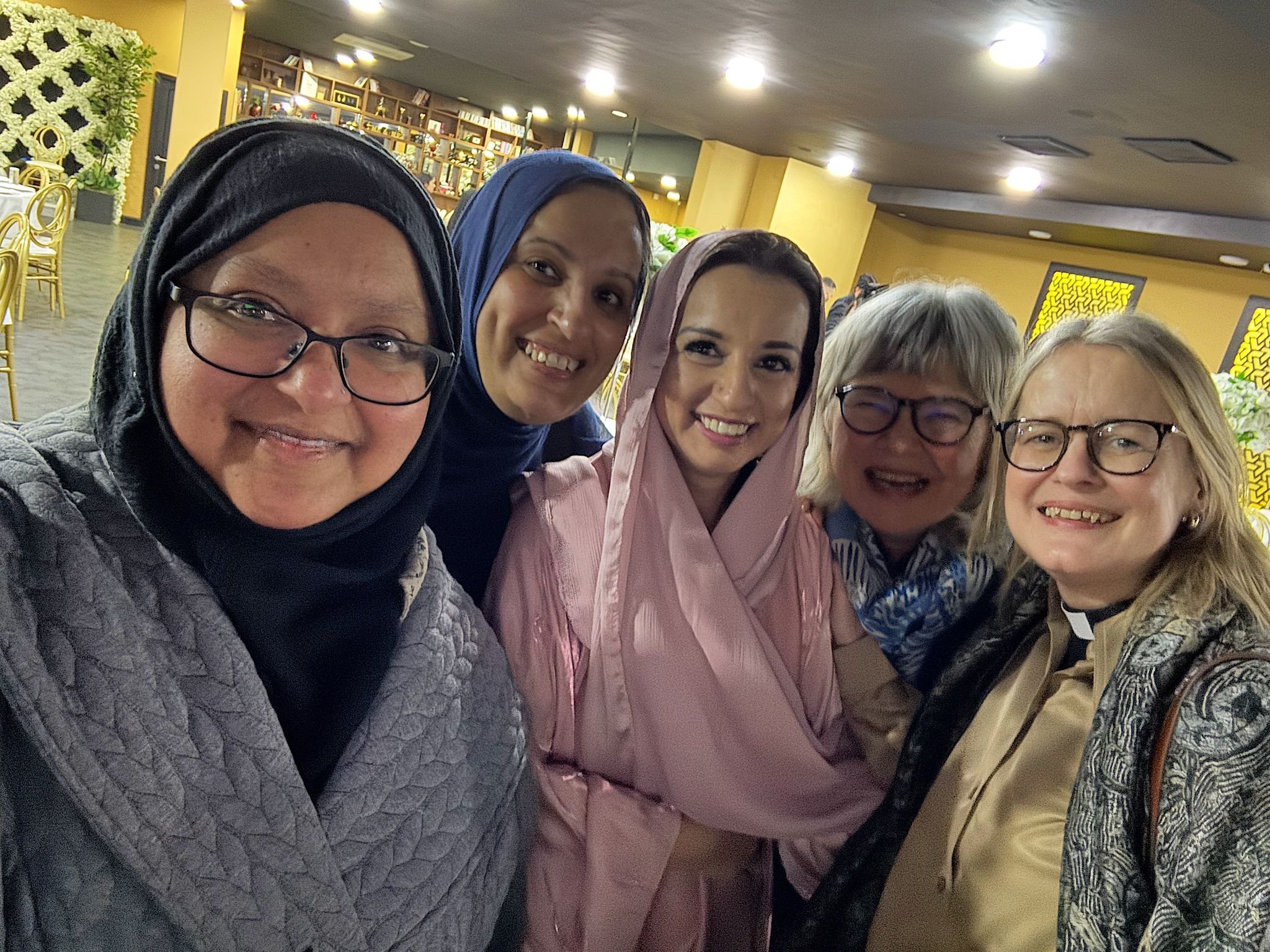
The room itself was decorated in soft pastel flower displays which gave the space a calm, welcoming feel, a backdrop that was wonderfully offset by the vibrancy and colour the women in the room brought with them. Bright fabrics, elegant dresses, laughter across tables, the gentle hum of children, the room felt alive.
And if you ever want to witness how an event should run, with organisational excellence, watch an event run by women, for women and filled with women. Things happen. Guests are welcomed, photographs are taken, interviews take place, speakers engage, conversation flow and importantly the food appears, on time. Honestly, large organisations could take notes.
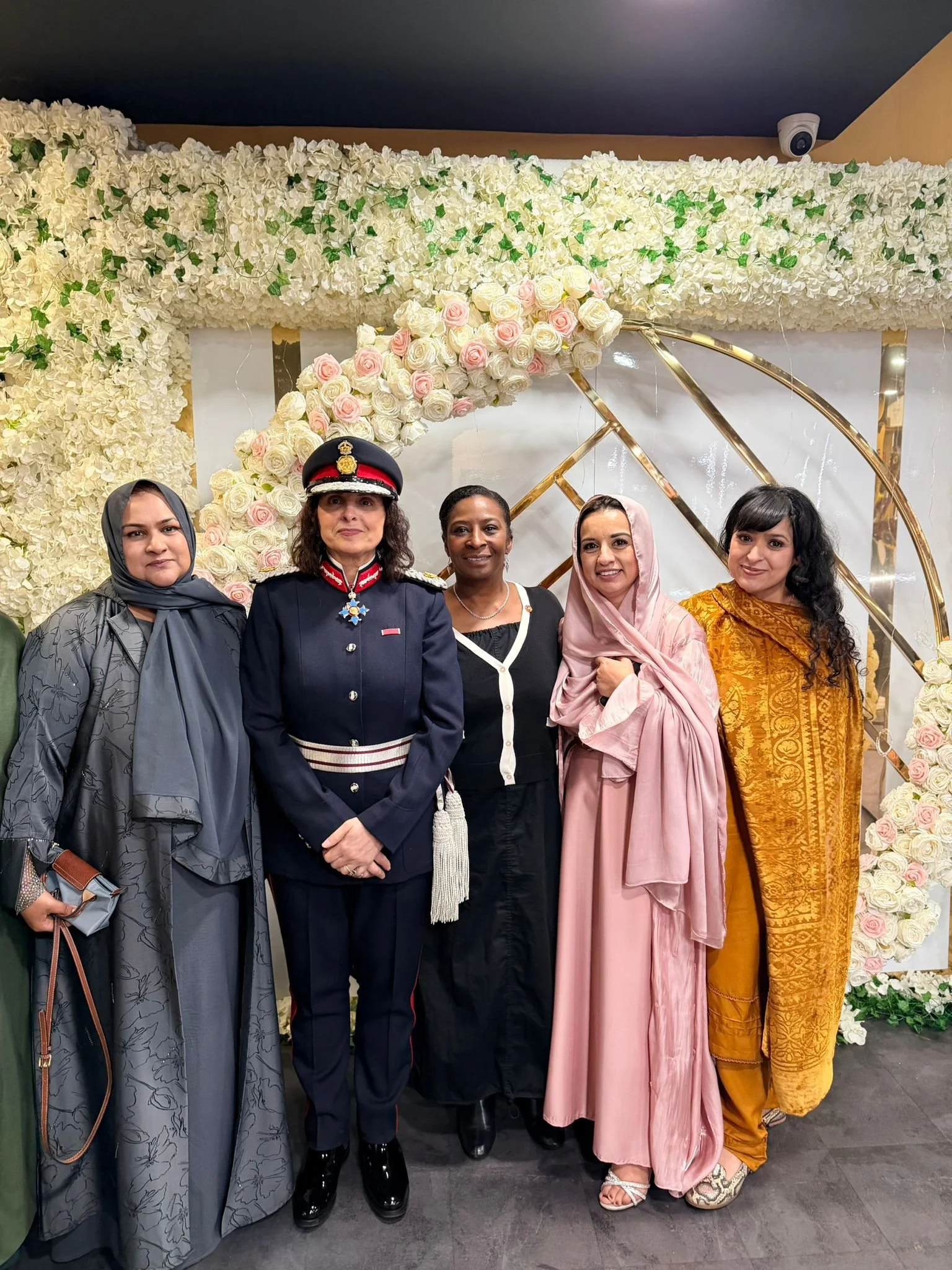
The evening was filled with speakers from Wellsprings to the Lord Lieutenant. There were girls singing and boys reciting prayers, moments of reflection mixed with celebration. Later, a DJ and comedian gave us a funny insight into life growing up in Bradford when your family is enthusiastically trying to find you a husband. It had all the energy of a real-life East is East moment, funny, traditional but always affectionate and respectful.
The Mayor of West Yorkshire and the Deputy Mayor of policing gave an overview of the work being done across the region before introducing their West Yorkshire Inclusivity Champion, who delivered a heartfelt speech about identity, belonging and the importance of standing firm against hatred in all its forms. It was a compelling and moving moment, and it certainly sparked thoughtful conversations around the tables while the women prepared to break their fast.
Then came the moment itself.
At 17:58, as the sun set, water and dates were passed around the table as each woman and child present were encouraged to break their fast. (My fear of dates turned out to be completely unnecessary. No one forced one on me; water and grapes were kindly suggested as an alternative.)
There was something powerful in that moment, the pause, even with the hunger and after a day of patience and discipline, they were all grateful. Soon after, a vast array of wonderful food was placed on each table and enjoyed by the people there. Conversations flowed just as freely as the food around what, as a community they could do to make the area they live in safer, happier, more inclusive, and welcoming, (all I could think was what more could they do? Because what they are doing already is clearly outstanding).
And perhaps that was the most fitting way to spend the eve of International Women’s Day, a room filled with women from different backgrounds, faiths and experiences sharing food, stories, and ideas about how to build stronger communities.
Women supporting women isn’t just a slogan (not in my house anyway), it’s something much more practical and powerful than that. It looks like mentorship, encouragement, tough conversations, shared responsibilities, and sometimes it’s just creating space. A space where women can gather, be heard, and be valued.
I left the Iftar with a full heart and it must be said, an even fuller belly, but with a much clearer understanding of the importance of Ramadan and how it connects, in quiet ways, to traditions I grew up with myself. More than that, I left with a renewed appreciation of the power of women working together. Change rarely arrives with a dramatic announcement (it’s not that Netflix show everyone is talking about). More often it starts in rooms such as that, around tables, in conversations, with inspirational women who care deeply about their communities and want to make things better from the ground up.
The ultimate message I took away from this was: faith and belief, in their many forms, are part of all of us. Strong women move mountains to create safety, happiness, inclusivity, and opportunities for the next generations. And when women stand together, from different cultures, faiths and experience, something powerful happens.
Communities grow stronger and become rooted in respect, understanding, and hope.
And sometimes, it turns out, understanding can start with something as simple as sharing a table and politely declining a date.
Kate Sugden is the Positive Pathways Regional Manager for Church Urban Fund, supporting some of the most vulnerable members of our society