
Scroll

Practical help
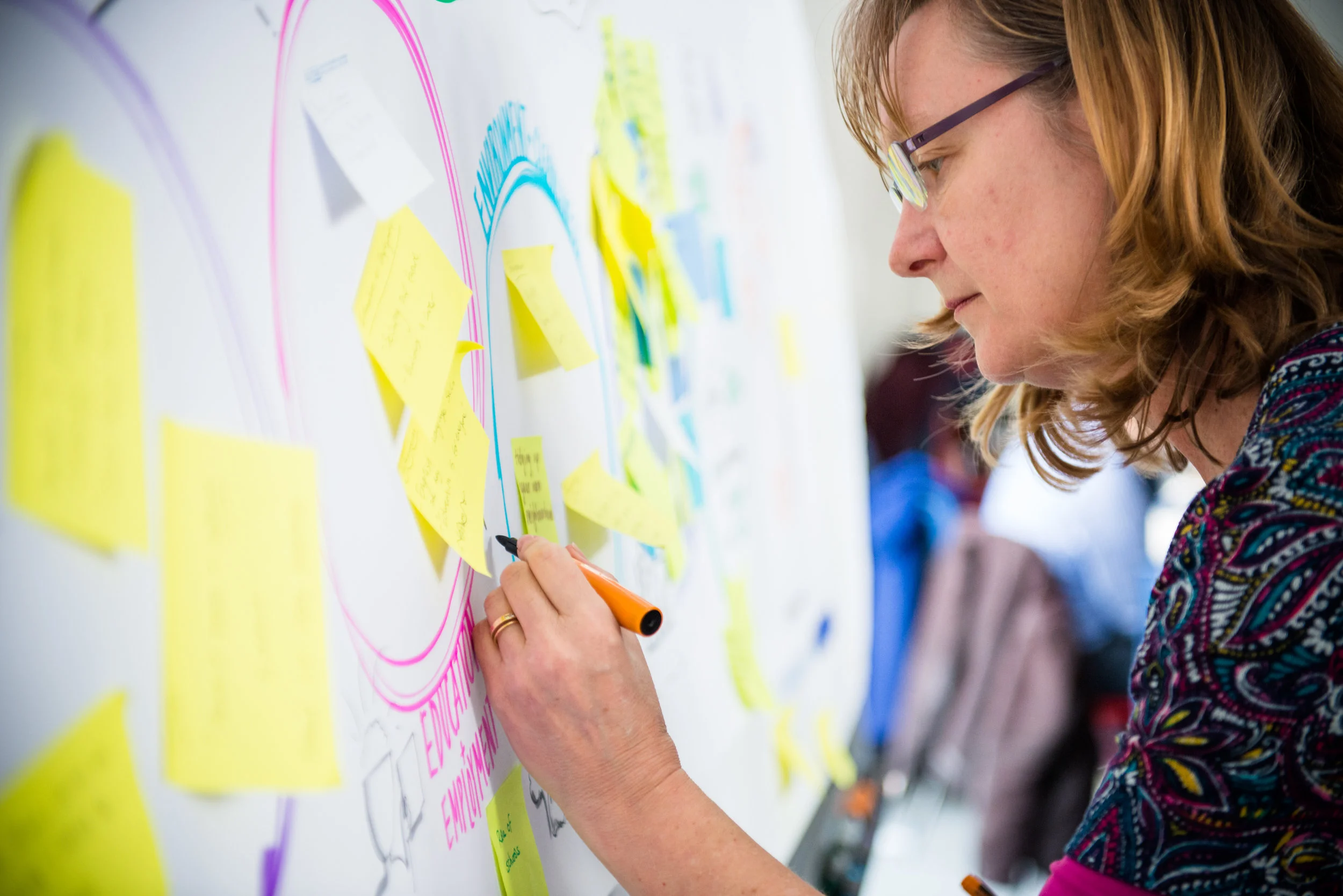
We have created a collection of videos that may help you develop your project, write your application, and deliver your activities.

Been to one of our webinars?
All of the information and resources from past webinars, all in one place.

Latest volunteering resources are available
Including editable templates for risk assessment, expectations, problem solving, expenses and more.
Planning your project
Featured
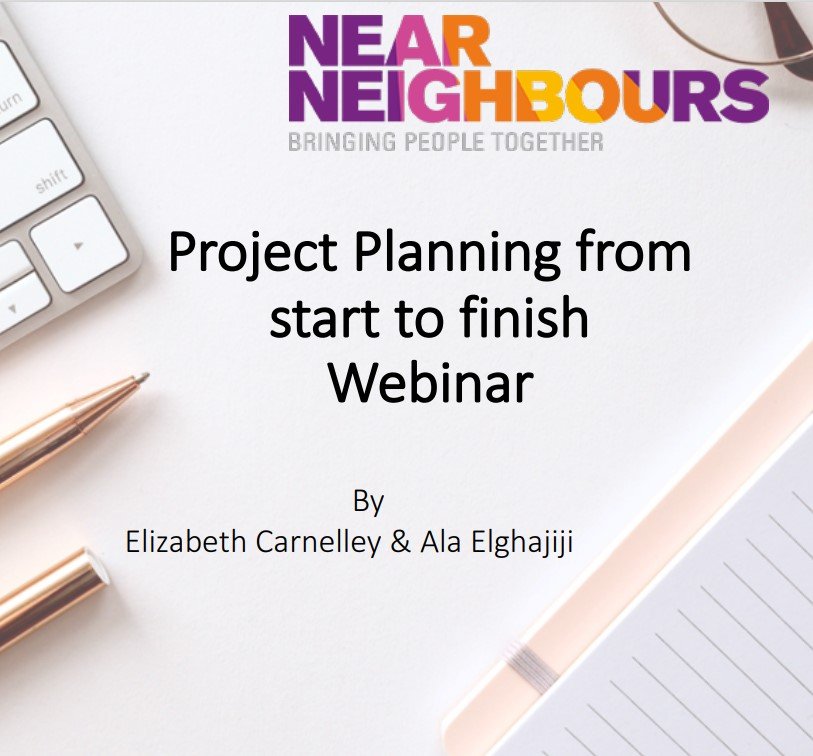


This project evaluation and assessment workshop was designed to encourage better quality participation for people who have been involved in – or affected by – a project’s actions, and to reflect on its impact.

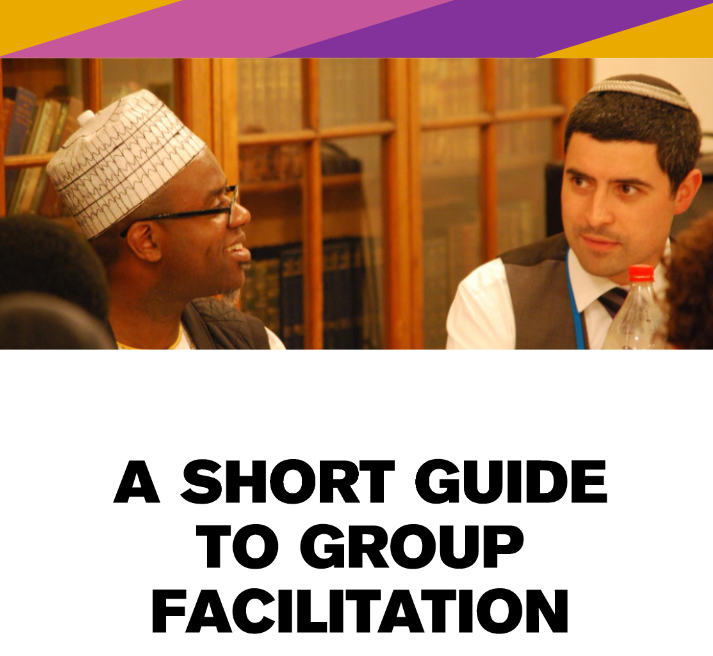


This toolkit aims to help you to reach out and engage with people of different faiths in your local area, to create a successful project that engages people of different religious backgrounds, as well as to develop and deepen cross-faith understanding and relationships along the way.
Fundraising
Featured

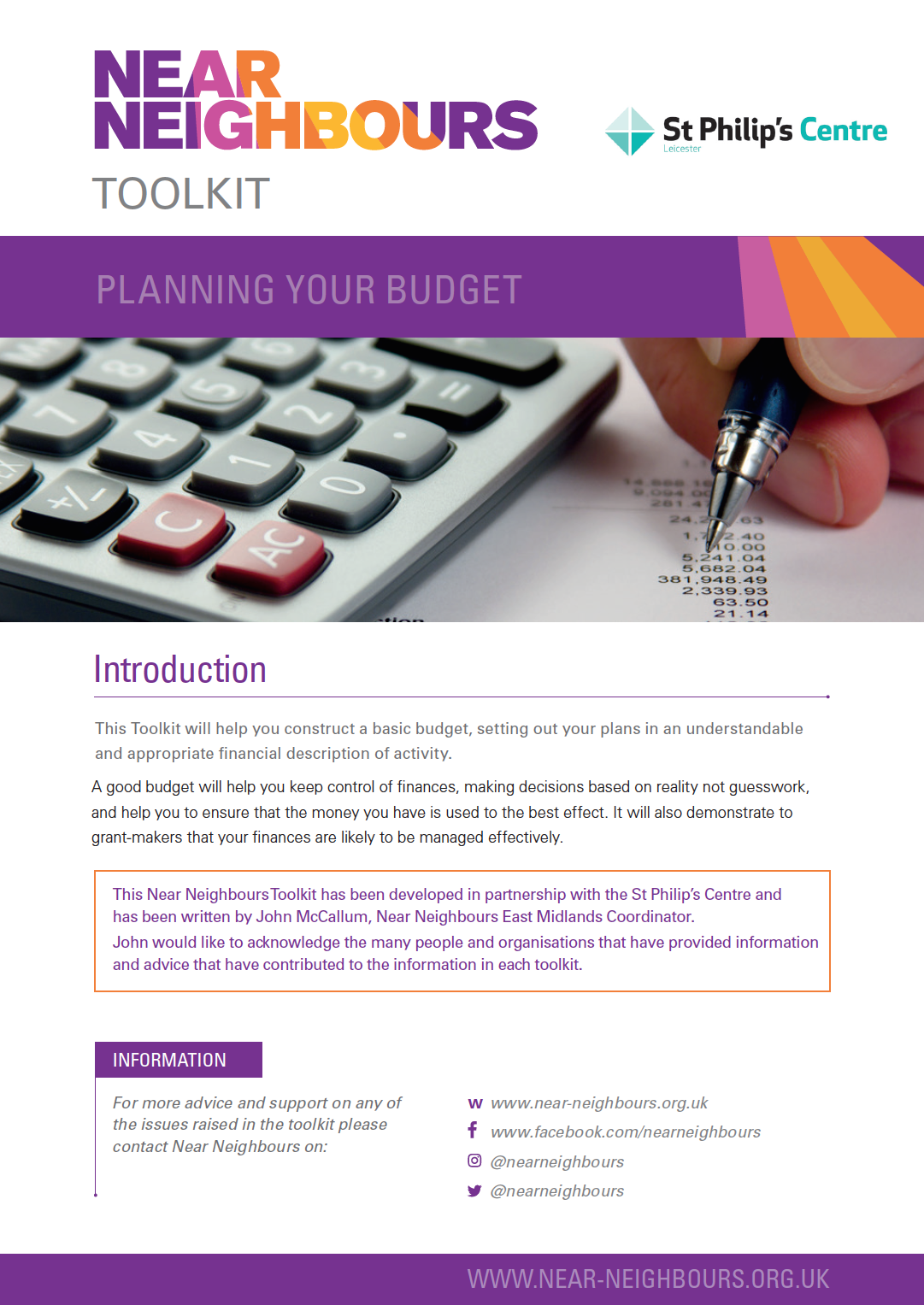
This Toolkit will help you construct a basic budget, setting out your plans in an understandable and appropriate financial description of activity.

Faith organisations, be they places of worship or faith based charities, aiming to meet the needs of communities will often need to seek funding from sources other than their immediate membership. To stay true to their faith teachings and meet good standards as set out in law, carefully planned steps will be required to help reach the funding required.

This toolkit is designed to help you understand what a funder is looking for in your application and reveals the hidden things that they won’t necessarily ask for but will want to see.

Faith groups that have learnt how to tell their story well will have a competitive edge in the increasingly crowded world of fundraising, and are more likely to be representative of the views and aspirations of the people they serve.

This Toolkit is based on the experiences of a wide range of groups that have successfully used research and monitoring to advance their work with neighbourhoods. You won’t always find research and monitoring requirements listed in the guidelines given to you by a funder, but they will in fact be keen to see the evidence of these aspects of your work as indicators of a well-run project.
Marketing
Featured

This toolkit will help you consider three important questions in promoting your project; ‘What is my Message?’, ‘Who are my Audience?’ and ‘What is the Best and Most Cost Effective Way to reach your Audience?’ The toolkit will help you reach the people your project is most designed to impact.

Community projects, and particularly interfaith projects, are involved in activities and events that, from time to time, will interest local newspapers, radio, and sometimes regional TV. With limited resources, the skill is to know when to put energy into promoting your project. This toolkit provides guidelines for effective media coverage to help you to maximise the benefit of publicity.
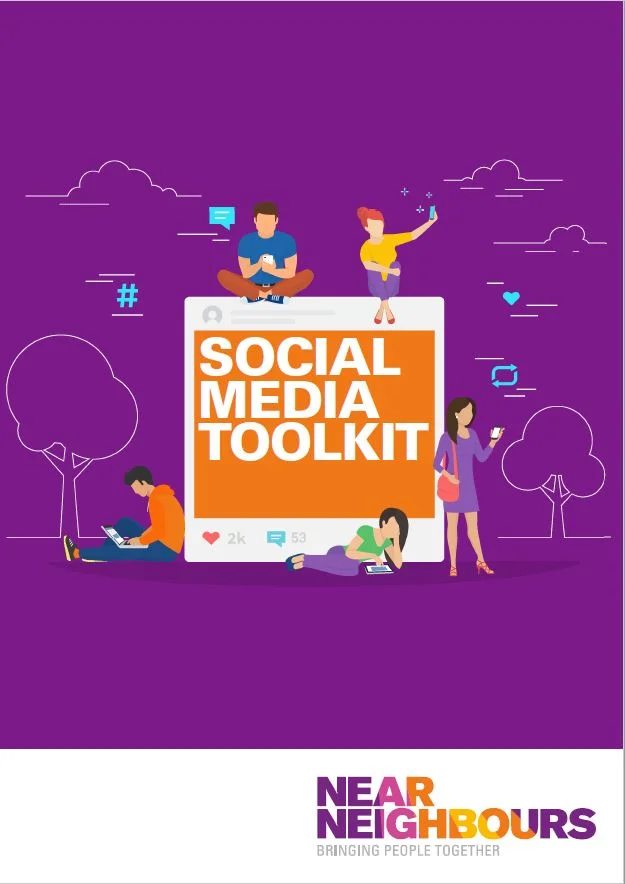
This toolkit will help you set up and manage social media accounts for your organisation. It covers Facebook, Twitter and Instagram.